This weekend's floods in Bangkok
What I do when there is severe weather or natural disasters
There were some floods this weekend
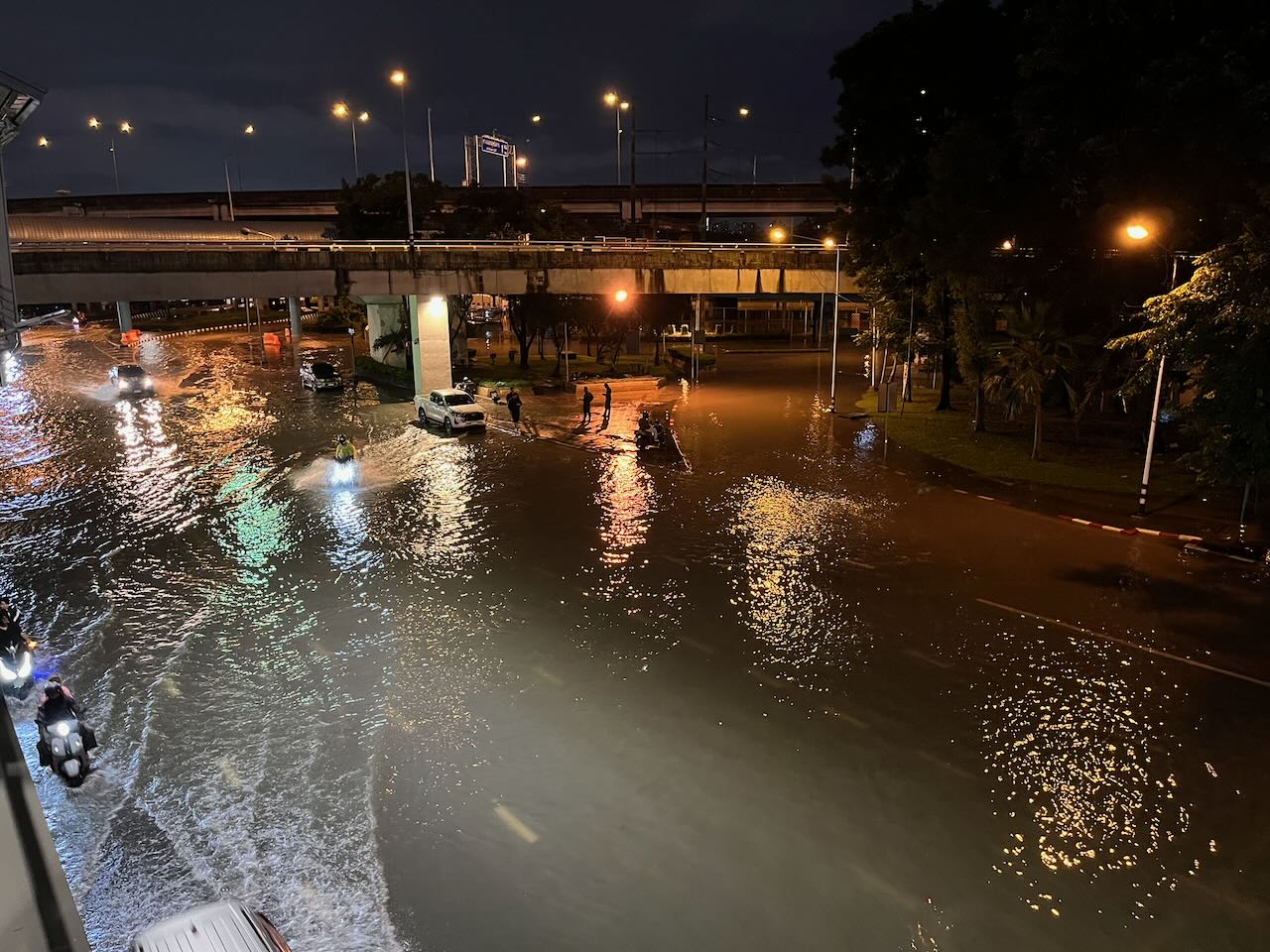
The last four days saw over 300mm of rain in Bangkok, causing massive flooding. Nearly every city I’ve lived in over the last decade has had issues with flooding, so this isn’t unique for me:
- Atlanta’s Old Fourth Ward used to suffer massive flooding in the 90’s until the city built a new storm water reservoir and park
- Kuala Lumpur’s Brickfields neighborhood is also constantly beset by flooding
So when the waters started rising in Chatuchak where I live, I fell back on some old severe-weather habits.
1. Don’t become part of the problem
The best way to get through severe weather is to be boring. People are most at risk when they are moving, so stay off the roads and chill at home as best you can.
Additionally don’t cause other people to move about. Reschedule deliveries and don’t order food or packages to be delivered during the severe weather. Try hard not to buy things during the disaster, as that only encourages capitalists to make the 7/11 employees, grocery store clerks, and delivery drivers put themselves at risk during a disaster for their profits. This is extra true if you have a business or employees of your own: give them the day off or let them work from home. Their safety is more important than your profits.
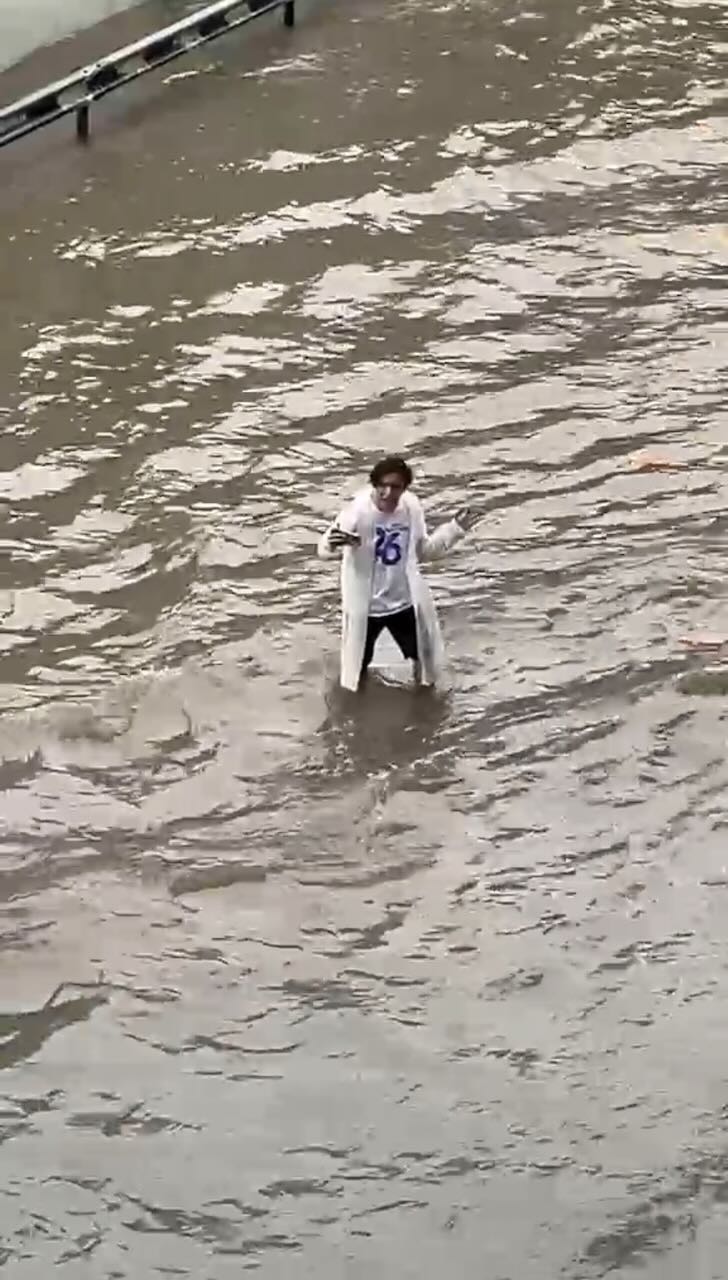
Staying home also means not playing in the flood waters. It can be tempting to make memes and tiktok videos during the floods. Sharing information about where flooding is happening is an important community service. But no picture or video is worth putting yourself in danger.
2. Contribute to your community
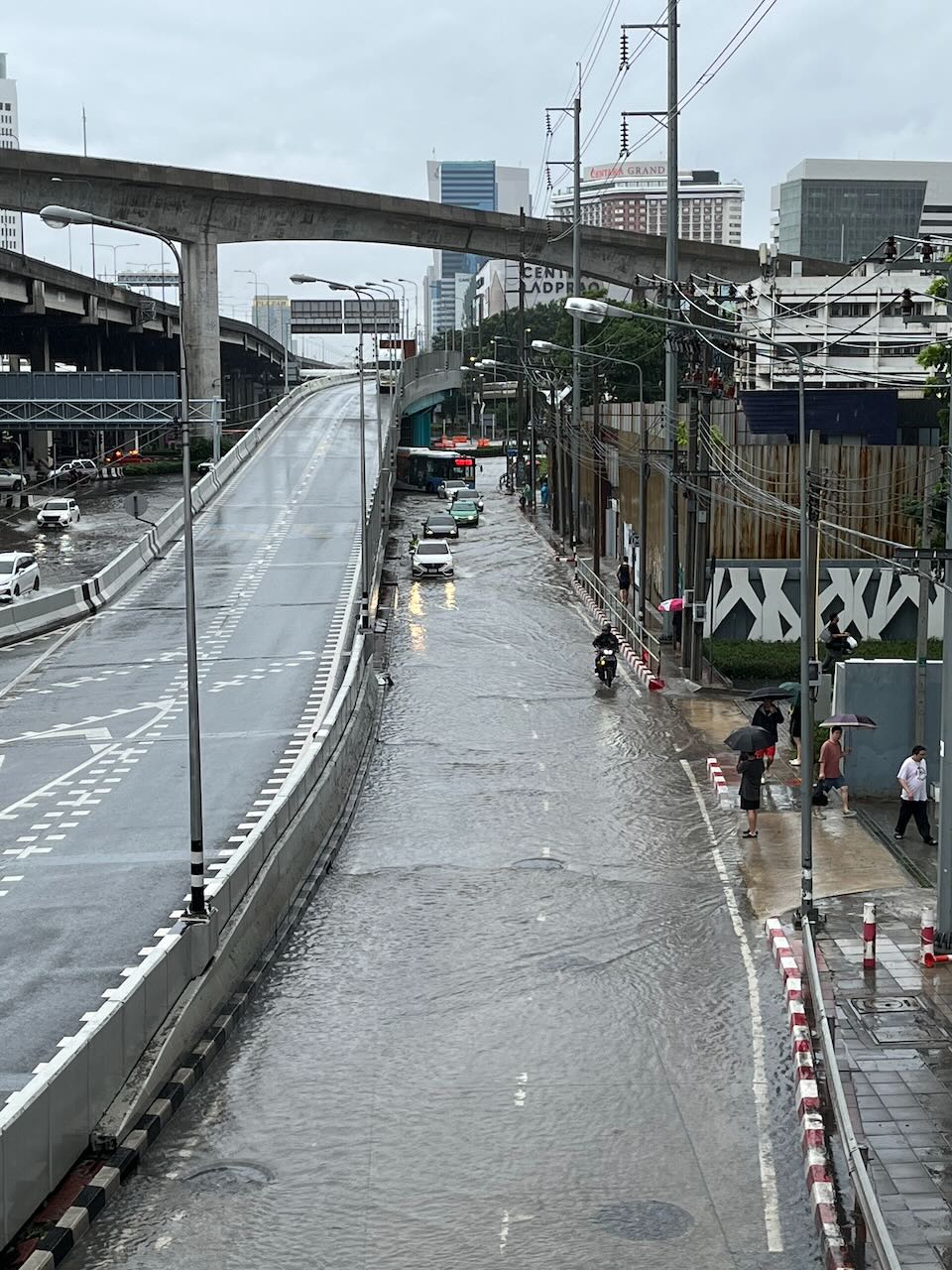
While you stay home and be boring, check in on your friends. Shoot them a text or give them a call – you’ve got the time. If a “short check-in” becomes an hour-long catch up, that is an amazing outcome! You abstained from creating new problems while strengthening your social ties.
It’s also a great time to get to know your neighbours. I lent one neighbour extra towels to plug a leaky window, and another used my clothes dryer to do laundry. All great, community-building things that don’t involve buying stuff or playing in flood waters.
It’s a pervasive myth that we as individuals can be fully prepared for a disaster. America especially likes to tout the image of the prepared man triumphant despite the collapse of society. But the reality is that getting through a big disaster is always a community effort, no one does it alone. “Prepper” marketing exists to sell you things. Communities, however, exist for mutual benefit and aid, and don’t require capital to be effective.